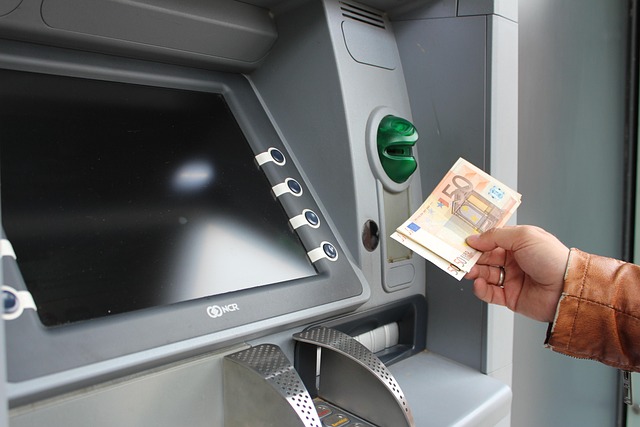
Car title loan consumer protection is crucial to avoid scams. Watch for red flags like rushed decisions, vague terms, and excessive fees. Verify lender legitimacy through state regulators. Thoroughly research options, compare rates, and understand full loan terms. Seek financial counselor advice for informed decisions. Protect against a cycle of debt by knowing your rights and being vigilant against hidden charges. Essential practices include understanding loan terms, considering flexible repayment options, and borrowing only what you can afford to repay promptly.
Car title loans have become a popular source of emergency funding for many individuals. However, this convenience comes with risks, as consumers may fall victim to scams and predatory lending practices. The lack of comprehensive Car title loan consumer protection leaves borrowers vulnerable to unfair fees, high-interest rates, and deceptive marketing. This article delves into the intricacies of these loans, highlighting common scams and offering practical strategies for awareness and prevention. By arming consumers with knowledge, we aim to foster a more transparent and secure lending environment.
- Understanding Car Title Loan Scams: Risks & Red Flags
- Your Rights: Protecting Yourself with Consumer Laws
- Safe Borrowing Practices: Securing Your Car Title Loan
Understanding Car Title Loan Scams: Risks & Red Flags

Car title loan consumer protection is paramount when navigating the need for quick funding or a cash advance. Scams lurk in the shadows of this emergency funds solution, often preying on those in dire straits. Understanding these risks and red flags is essential to safeguarding your financial well-being.
Car title loan scams typically involve unscrupulous lenders who exploit borrowers’ desperation for immediate financial relief. They may offer seemingly appealing terms like low interest rates or no credit checks, but these can be misleading. For instance, a borrower might take out a $5,000 car title loan with promises of easy repayment, only to discover excessive hidden fees and a skyrocketing APR. What started as a temporary solution for emergency funds has now turned into a cycle of debt.
Red flags abound: unrealistic promises of quick funding, pressure tactics, and vague or confusing terms are common indicators of a potential scam. Lenders may also try to rush you into signing papers without explaining the full scope of the loan, including its true cost over time. It’s crucial to remember that legitimate lenders follow strict regulations, providing transparent terms and fair practices. Always verify the lender’s legitimacy with state regulators before borrowing against your vehicle’s title.
To protect yourself, thoroughly research car title loan options, compare rates, and understand the full loan terms. Seek advice from trusted sources, such as financial counselors, to ensure you’re making an informed decision. Prioritizing consumer protection measures like these can help prevent a seemingly harmless need for quick funding from spiraling into a costly and stressful ordeal.
Your Rights: Protecting Yourself with Consumer Laws

When considering a car title loan, understanding your rights under consumer protection laws is crucial to safeguarding your financial well-being. These legal frameworks are designed to ensure fair lending practices and protect borrowers from predatory lending schemes. Consumer protection regulations cover various aspects of the loan process, including transparent disclosure, interest rates, and the right to cancel. For instance, in many jurisdictions, lenders must clearly explain the terms, conditions, and potential risks associated with a car title loan before finalizing the transaction. This includes providing a detailed breakdown of fees, penalties for early repayment, and the consequences of defaulting on the loan.
One of the key rights borrowers possess is the ability to transfer or refinance the loan without undue hardship. Title transfer allows borrowers to sell the security interest in their vehicle, effectively paying off the loan. This option can be particularly valuable if emergency funds are needed due to unforeseen circumstances. Moreover, understanding your right to refinance can help you secure more favorable terms, lower interest rates, and extend the loan period, thereby reducing the overall cost of borrowing. For example, a borrower facing financial distress could use their car title as collateral for a new, more affordable loan, providing much-needed relief without sacrificing their vehicle.
However, it’s essential to be vigilant and aware of potential scams within the car title loan industry. Some lenders may employ aggressive sales tactics or offer seemingly irresistible terms only to trap borrowers in a cycle of debt. To avoid these pitfalls, consumers should always read and understand the loan agreement before signing. If you encounter any unclear terms or feel pressured into accepting unfavourable conditions, it’s advisable to seek alternative financing options or consult with financial advisors who can guide you through safer lending practices. By staying informed about your consumer rights and being proactive in protecting yourself, you can navigate the complexities of car title loans with greater confidence and peace of mind.
Safe Borrowing Practices: Securing Your Car Title Loan

Securing your car title loan is paramount to protecting yourself from potential scams and ensuring a safe borrowing experience. Car title loan consumer protection begins with understanding the terms of your loan thoroughly. Every agreement should clearly outline interest rates, fees, and the overall cost of borrowing over the lifetime of the loan. Be vigilant against hidden charges or deceptive practices that could significantly increase your financial burden.
Before taking out a car title loan, consider your repayment options carefully. Lenders often provide flexible terms to suit various borrower needs, including extended repayment periods during challenging times. For instance, if an unexpected emergency arises and you need access to funds, some lenders offer loan extensions or modifications without incurring extra penalties, as long as you remain current on payments. This flexibility is a key aspect of responsible car title loan consumer protection.
Emergency funding considerations are also part of safe borrowing practices. It’s crucial not to let short-term financial needs turn into a cycle of debt. A best practice is to only borrow what you can afford to repay, ideally within 30 days, to avoid high-interest rates and excessive fees. For instance, if you require $1,000 for an unforeseen expense, consider borrowing a smaller amount that aligns with your emergency funding needs and your capacity to repay promptly. This responsible approach minimizes the risk of falling into a financial trap.
By understanding car title loan scams, knowing your rights through consumer laws, and practicing safe borrowing, you can protect yourself from potential risks associated with Car Title Loan Consumer Protection. This article has equipped you with crucial insights to navigate this financial landscape confidently. Key takeaways include recognizing red flags, such as excessive interest rates and unfair terms, and understanding your legal rights to dispute unjust practices. Additionally, adopting secure borrowing habits, like comparing lenders and ensuring clear loan terms, will empower you to make informed decisions. Moving forward, prioritize Car Title Loan Consumer Protection by staying vigilant, educating yourself, and following safe borrowing guidelines to safeguard your financial well-being.
About the Author
Dr. Emily Johnson is a renowned consumer protection advocate and lead researcher at the National Consumer League. With over 15 years of experience, she specializes in car title loan scams and their prevention. Emily holds a Ph.D. in Economics and is certified in Financial Literacy Education. She has authored numerous articles for esteemed publications like The Wall Street Journal and Forbes, where she offers insightful guidance on safeguarding consumers. Active on LinkedIn, her expertise is sought by policymakers and industry leaders alike.
Related Resources
Here are some authoritative resources for an article about “Avoiding Scams Through Car Title Loan Consumer Protection Awareness”:
- Federal Trade Commission (Government Portal): [Offers official guidance and warnings about car title loan scams.] – https://www.consumer.ftc.gov/
- Consumer Financial Protection Bureau (Official Website): [Provides resources to help consumers understand and avoid predatory lending practices.] – https://www.consumerfinance.gov/
- University of Michigan Law School (Academic Study): [Offers a deep dive into consumer protection laws related to car title loans, providing academic insights.] – https://lawscholarship.umich.edu/articles/view/106475
- National Consumer Law Center (Non-profit Organization): [Provides practical guides and legal aid for consumers dealing with debt and predatory lending.] – https://nclc.org/
- American Bar Association (Legal Guide): [Offers comprehensive legal resources and advice on consumer protection issues, including car title loans.] – https://www.americanbar.org/
- National Conference of State Legislatures (Government Research): [Provides state-by-state analysis of car title loan regulations, crucial for understanding varying protections.] – https://www.ncsl.org/
- The Consumerist (Community Resource/News Website): [Known for its consumer advocacy, it offers numerous articles and reports on car title loan scams and how to avoid them.] – https://theconsumerist.com